
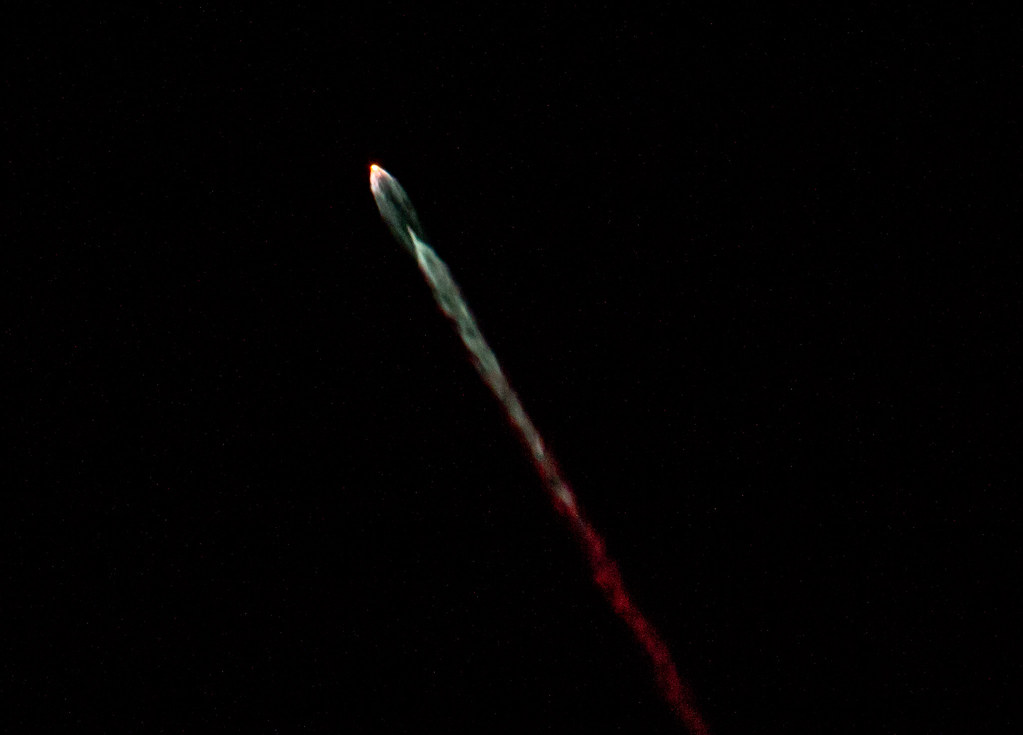
Falcon 9 launch plans are gaining momentum as India’s TakeMe2Space targets a 2028 mission to enhance data center capabilities. This ambitious project aims to leverage space technology for improved data management.
Overview of TakeMe2Space’s Mission
India’s TakeMe2Space is set to embark on an ambitious mission with plans for a Falcon 9 launch in 2028. The company aims to revolutionize space exploration by developing a state-of-the-art data center that will operate beyond Earth’s atmosphere. This mission not only signifies a leap in technological advancement but also emphasizes the importance of sustainable and efficient space operations.
The proposed data center will be designed to support various applications, including satellite communications, scientific research, and environmental monitoring. By utilizing the capabilities of the Falcon 9 launch vehicle, TakeMe2Space intends to place the data center in a strategic orbit, ensuring optimal performance and accessibility.
Key objectives of the mission include:
- Establishing a reliable data transmission network to support global connectivity.
- Enhancing scientific research through real-time data collection and analysis.
- Promoting sustainability by utilizing renewable energy sources for operations.
As the countdown to the Falcon 9 launch begins, TakeMe2Space is rallying support from both government and private sectors to ensure the success of this groundbreaking initiative, paving the way for future explorations in the cosmos.
Importance of the Falcon 9 Launch
The significance of the upcoming Falcon 9 launch cannot be overstated, especially as it aligns with the ambitious goals of TakeMe2Space. This mission represents a pivotal moment for space exploration and data collection, particularly in the context of advancing technology and understanding our universe.
One of the primary reasons the Falcon 9 launch is crucial is its role in deploying innovative satellite systems. These systems are designed to gather vital data that can enhance global communications, environmental monitoring, and disaster management. TakeMe2Space aims to leverage this data to support various industries, from agriculture to climate science.
Moreover, the Falcon 9 launch exemplifies a shift towards more sustainable and cost-effective space travel. By utilizing reusable rocket technology, SpaceX is setting a new standard in the aerospace industry, making space more accessible to organizations like TakeMe2Space. This approach not only reduces costs but also minimizes the environmental impact of space missions.
In conclusion, the Falcon 9 launch is not just another mission; it represents a smart investment in the future of space exploration. With its focus on sustainable technology and data-driven insights, this launch could pave the way for groundbreaking advancements in how we understand and interact with our planet and beyond.
How the Launch Will Benefit Data Centers
The upcoming Falcon 9 launch by India’s TakeMe2Space is poised to bring significant advancements to data centers worldwide. By utilizing innovative technology and reliable launch vehicles, this mission aims to enhance the efficiency of data storage and processing.
One of the primary benefits of this launch will be the deployment of satellites designed to optimize data transmission across global networks. These satellites will facilitate faster and more reliable connections, which are essential for modern data centers that handle vast amounts of information daily.
Moreover, the Falcon 9 launch will enable the establishment of a more resilient infrastructure. With improved satellite coverage, data centers can expect reduced latency and increased redundancy, thus minimizing the risk of downtime. This is particularly important for businesses that rely on uninterrupted service to meet customer demands.
In addition, the mission is expected to drive down operational costs for data centers. Enhanced satellite technology will allow for more efficient data routing, leading to lower energy consumption and cost savings. As a result, companies can allocate resources more effectively and invest in further technological advancements.
Overall, the Falcon 9 launch represents a significant step forward in the evolution of data centers, promising improved functionality and sustainability in the years to come.
Timeline for the 2028 Launch
The timeline for the much-anticipated Falcon 9 launch in 2028 is meticulously planned, ensuring that every stage of the mission is executed flawlessly. TakeMe2Space has outlined several key milestones leading up to the launch:
- 2024: Completion of initial design and testing phases for satellite technologies that will be deployed during the launch.
- 2025: Finalization of partnerships with technology providers and data centers, ensuring that all systems are integrated and operational.
- 2026: Full-scale simulations and stress tests of the payload, focusing on performance and reliability in space conditions.
- 2027: Spacecraft assembly and pre-launch preparations, including thorough inspections and adjustments based on testing feedback.
- Early 2028: Launch window opens, with the Falcon 9 rocket scheduled for liftoff from Cape Canaveral, Florida.
This timeline not only reflects the technical complexities involved but also emphasizes TakeMe2Space’s commitment to a robust and efficient launch strategy. As the countdown approaches, stakeholders eagerly anticipate each development, knowing that the successful Falcon 9 launch could set a new standard for data center operations worldwide.
Technological Innovations in Space
As the space industry continues to evolve, technological innovations play a crucial role in the success of missions such as the anticipated Falcon 9 launch in 2028. These advancements are not only enhancing the efficiency of spacecraft but also expanding the possibilities for data collection and communication.
Key innovations driving this transformation include:
- Reusable Rocket Technology: With the Falcon 9’s ability to return to Earth and be reused for multiple launches, costs are significantly reduced, making space exploration more accessible.
- Advanced Propulsion Systems: New propulsion technologies are being developed to optimize performance and reduce the time needed to reach orbit.
- Satellite Miniaturization: Smaller and more efficient satellites are being designed, allowing for more payloads to be launched during a single Falcon 9 launch.
- Real-Time Data Processing: Enhanced onboard systems are enabling real-time data collection and processing, which is vital for managing data centers and other applications.
These innovations not only underline the significance of the upcoming Falcon 9 launch but also highlight the bright future of space exploration, paving the way for new opportunities in various sectors, including telecommunications and scientific research.
Challenges Facing TakeMe2Space
As TakeMe2Space gears up for its ambitious Falcon 9 launch in 2028, the organization must navigate a series of significant challenges that could impact its mission. These hurdles range from technical and logistical obstacles to regulatory and funding issues.
- Technical Challenges: Developing the necessary technology to support safe and efficient transport of data to and from space presents a formidable task. Engineering innovative systems that can withstand the harsh environment of space is essential for success.
- Logistical Coordination: Coordinating the various components required for the Falcon 9 launch involves meticulous planning. From payload integration to launch site preparations, every detail must be addressed to ensure a smooth operation.
- Regulatory Approvals: Compliance with international space regulations and acquiring the necessary permits can prove time-consuming. Navigating these bureaucratic processes is critical to avoid delays in the launch schedule.
- Funding and Resources: Securing adequate funding for the project remains a challenge. Investors must be convinced of the project’s viability and potential returns, which requires a clear demonstration of the benefits of the Falcon 9 launch.
Despite these challenges, TakeMe2Space remains committed to its mission, believing that overcoming these obstacles will pave the way for groundbreaking advancements in space exploration.
Future of Space-Based Data Management
The future of space-based data management is poised for a revolution, particularly with the anticipated Falcon 9 launch scheduled for 2028. This mission will not only expand our understanding of celestial dynamics but will also enhance the efficiency and capabilities of data centers on Earth.
As satellite technology continues to advance, the integration of data collected from space will become increasingly vital. The Falcon 9 launch is a pivotal step toward realizing this integration, aiming to establish a network of satellites that will provide real-time data for various applications. The benefits of such advancements are numerous:
- Enhanced Data Collection: Satellites will gather crucial data on climate, weather patterns, and natural resources.
- Improved Connectivity: Increased satellite deployments will facilitate better internet access in remote areas.
- Cost Efficiency: Utilizing space-based solutions will reduce operational costs for data management.
- Real-Time Analytics: Immediate data availability will allow for swift decision-making in critical situations.
As we look towards 2028, the Falcon 9 launch represents not just a technological achievement, but also a transformative leap in how we manage and utilize data, fundamentally changing our approach to global challenges.
Conclusion and Next Steps
As the countdown to the Falcon 9 launch approaches, the vision of TakeMe2Space is becoming increasingly tangible. This mission is not just a step forward for the company but a significant leap for the future of space exploration and data management.
In conclusion, the Falcon 9 launch represents a pivotal moment for not only TakeMe2Space but also for the broader landscape of data centers. The advancements in technology and the strategic planning involved highlight the innovative spirit driving this endeavor.
Looking ahead, several key steps are crucial for ensuring the success of the launch:
- Finalizing Partnerships: Collaborations with space agencies and tech firms will enhance the mission’s capabilities.
- Conducting Thorough Testing: Rigorous evaluations of all systems involved in the launch will be essential to mitigate risks.
- Public Engagement: Keeping the community informed and engaged will foster support and interest in the mission.
- Monitoring Technological Developments: Staying abreast of innovations in aerospace technology will ensure TakeMe2Space remains at the forefront.
Ultimately, the Falcon 9 launch in 2028 is set to redefine how we perceive data management in space, paving the way for future exploration and collaboration. It is an exciting time for all involved, and the journey is just beginning.
By Kevin M. Gill via Openverse