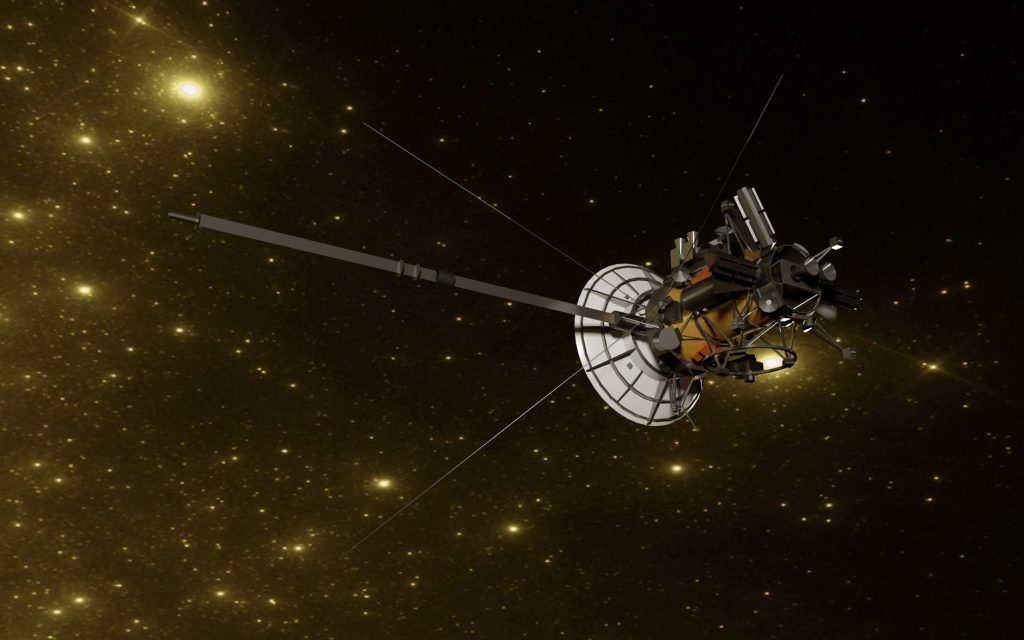
The Voyager Griffin-1 mission is on track for its 2026 launch, proving out technologies that will shape the future of space exploration.
Overview of the Voyager Griffin-1 mission
The Voyager Griffin-1 mission is a groundbreaking initiative aimed at advancing space exploration technologies. Set for launch in 2026, this mission promises to validate a range of innovative systems designed to enhance future missions beyond our solar system.
Key objectives of the Voyager Griffin-1 mission include:
- Testing New Propulsion Systems: The mission will explore the efficiency and reliability of advanced propulsion technologies, which could significantly reduce travel time to distant celestial bodies.
- Gathering Data on Space Environments: Instruments aboard the spacecraft will collect vital data regarding cosmic radiation and other environmental factors, informing the design of future spacecraft.
- Demonstrating Autonomous Operations: Voyager Griffin-1 will showcase the capabilities of autonomous decision-making systems, reducing the need for constant human oversight and enabling more complex missions.
As stated by mission leaders, “We are certainly proving out technologies for the future.” The findings from the Voyager Griffin-1 mission will be instrumental in shaping the next generation of space exploration, ensuring that humanity is well-prepared for the challenges of deep space travel.
Key technologies being tested
The Voyager Griffin-1 mission is set to test several key technologies that could revolutionize space exploration in the coming years. These innovations are crucial for enhancing our understanding of distant celestial bodies and ensuring the success of future missions.
Among the primary technologies being evaluated are:
- Advanced Propulsion Systems: The mission will utilize next-generation propulsion technologies, including ion thrusters, which offer increased efficiency and longevity compared to traditional methods.
- Autonomous Navigation: Griffin-1 aims to demonstrate improved autonomous navigation capabilities, allowing spacecraft to make real-time decisions without relying heavily on ground control.
- Radiation Shielding: New materials and designs for radiation shielding are being tested to protect sensitive instruments on long-duration missions, ensuring data integrity.
- In-Situ Resource Utilization: The mission is exploring technologies for utilizing resources found on celestial bodies, which could significantly reduce the need for resupply missions from Earth.
Each of these technologies plays a vital role in the success of the Voyager Griffin-1 mission. By proving their efficacy, the project is paving the way for future explorations and establishing a foundation for sustainable space travel.
Timeline for the 2026 launch
The Voyager Griffin-1 mission is set to make history with its anticipated launch in 2026. The timeline for this significant event has been carefully mapped out to ensure the success of the mission and the technologies it aims to prove.
In the months leading up to the launch, several critical milestones are scheduled:
- 2024: Finalization of spacecraft design, incorporating feedback from initial testing phases.
- Late 2024: Commencement of assembly for the Voyager Griffin-1 spacecraft, which will integrate the various advanced technologies being tested.
- 2025: Extensive testing of all systems, including simulations and stress tests, to ensure reliability during the mission.
- Early 2026: Launch preparations will ramp up, involving dry runs and final checks before the actual launch day.
- Mid-2026: The Voyager Griffin-1 mission is slated for launch, marking a pivotal moment in space exploration.
This timeline reflects the dedication of the team behind the Voyager Griffin-1 mission to not only advance our understanding of space but also to validate technologies that could shape future explorations beyond our planet.
Importance of space exploration
Space exploration has always played a crucial role in expanding our understanding of the universe and our place within it. The Voyager Griffin-1 mission exemplifies this importance by testing innovative technologies that could pave the way for future interstellar missions. As humanity continues to push the boundaries of knowledge, the advancements made through this mission could have far-reaching implications.
One of the primary benefits of missions like Voyager Griffin-1 is their potential to inspire new generations of scientists, engineers, and explorers. By showcasing the practical applications of cutting-edge technology, such missions can ignite interest in STEM fields among young people. Additionally, the data collected during these missions will enhance our understanding of planetary systems, cosmic phenomena, and the fundamental laws of physics.
Moreover, the technologies developed during the Voyager Griffin-1 mission may also find applications beyond space exploration. Innovations in materials science, robotics, and communication systems could lead to advancements that benefit life on Earth, improving everything from healthcare to environmental monitoring. In this way, the mission not only serves the purpose of exploration but also contributes to societal progress and technological evolution.
- Inspiration for future generations
- Enhanced understanding of the universe
- Applications in various fields on Earth
Challenges faced by the mission
The Voyager Griffin-1 mission has encountered several challenges that have tested the resilience and adaptability of its team and technologies. As the mission gears up for its 2026 launch, addressing these hurdles has been crucial to its success.
- Technical Difficulties: The engineering team faced unexpected issues during the testing of key systems. These included unexpected software bugs and hardware malfunctions that required thorough troubleshooting.
- Funding and Resources: Securing adequate funding has been a constant challenge. Budget constraints have forced the team to prioritize certain aspects of the mission, sometimes delaying progress on vital technologies.
- Environmental Conditions: Simulations of deep space conditions revealed that some technologies might not perform as expected. This necessitated additional tests to ensure reliability in extreme environments.
- Collaboration Efforts: Coordinating between various teams and agencies has proven complex, with different stakeholders having unique goals and priorities that sometimes conflict.
Despite these challenges, the Voyager Griffin-1 mission remains on track, demonstrating the determination of its team to overcome obstacles and pave the way for future explorations. The lessons learned from these experiences are invaluable, contributing to the mission’s overall goal of proving technologies for the future.
Future implications of the technologies
The Voyager Griffin-1 mission stands as a pivotal step toward advancing our understanding of space and the technologies that will define future explorations. As the mission prepares for its 2026 launch, the implications of the technologies being tested could reshape not only space exploration but also various industries on Earth.
One of the most significant outcomes anticipated from the Voyager Griffin-1 mission is the enhancement of autonomous systems. These systems are designed to operate independently, making real-time decisions based on changing conditions in space. The successful deployment of such technologies could lead to safer and more efficient missions beyond our solar system.
Additionally, the mission is expected to advance materials science, particularly in developing resilient materials that can withstand extreme environments. This research could have profound applications, including improved infrastructure and technology here on Earth.
Moreover, the data collected during the Voyager Griffin-1 mission will contribute to our understanding of cosmic phenomena, potentially unlocking new insights into the universe’s origins and evolution.
As we look ahead, the technologies proven through the Voyager Griffin-1 mission may well lay the groundwork for future exploratory missions, enabling humanity to reach beyond its current boundaries and explore the unknown.
Collaboration with other agencies
The success of the Voyager Griffin-1 mission heavily relies on effective collaboration with various space agencies and research institutions. By pooling resources and expertise, the mission aims to maximize its potential and ensure the successful testing of innovative technologies.
Key partnerships include:
- NASA: As a primary collaborator, NASA provides invaluable support in terms of technical guidance and access to extensive data from previous missions.
- European Space Agency (ESA): The ESA contributes advanced research on propulsion systems and deep-space navigation, enhancing the mission’s overall design.
- Private Sector: Collaborations with private aerospace companies have introduced cutting-edge materials and manufacturing techniques, streamlining the development process.
In addition to these partnerships, the Voyager Griffin-1 mission engages various academic institutions. These collaborations focus on research related to planetary science and engineering, fostering innovation and creativity in problem-solving.
Through this collaborative framework, the mission not only aims to test proven technologies but also aspires to inspire future space exploration initiatives. The collective efforts of diverse agencies demonstrate a commitment to advancing our understanding of the universe and enhancing humanity’s capabilities in space.
What to expect from the launch
The upcoming Voyager Griffin-1 mission promises to be a groundbreaking event in the realm of space exploration. As the launch date approaches, enthusiasts and experts alike are eager to see how the mission will unfold. Here’s what to expect:
- Innovative Launch Procedures: The mission will showcase cutting-edge launch techniques that aim to enhance efficiency and safety in future space endeavors.
- Advanced Communication Systems: The Griffin-1 mission will utilize next-generation communication technologies, which are crucial for deep-space missions.
- Scientific Discoveries: Expect an array of data collection from various celestial bodies, contributing to our understanding of the universe and paving the way for future explorations.
- Real-time Monitoring: With improved telemetry systems, scientists will be able to monitor the mission’s progress in real-time, allowing for quick adjustments and responses if necessary.
- Collaboration Outcomes: The mission is a product of extensive teamwork across multiple agencies, showcasing the importance of international partnerships in achieving space exploration goals.
As the Voyager Griffin-1 mission draws nearer, the excitement continues to build, setting the stage for what could be a pivotal moment in the evolution of space technology.
Photo by Paul Seling on Pexels